
Baby Constipation Support in Temecula
Gentle nervous-system support for uncomfortable babies, alongside your pediatric care.
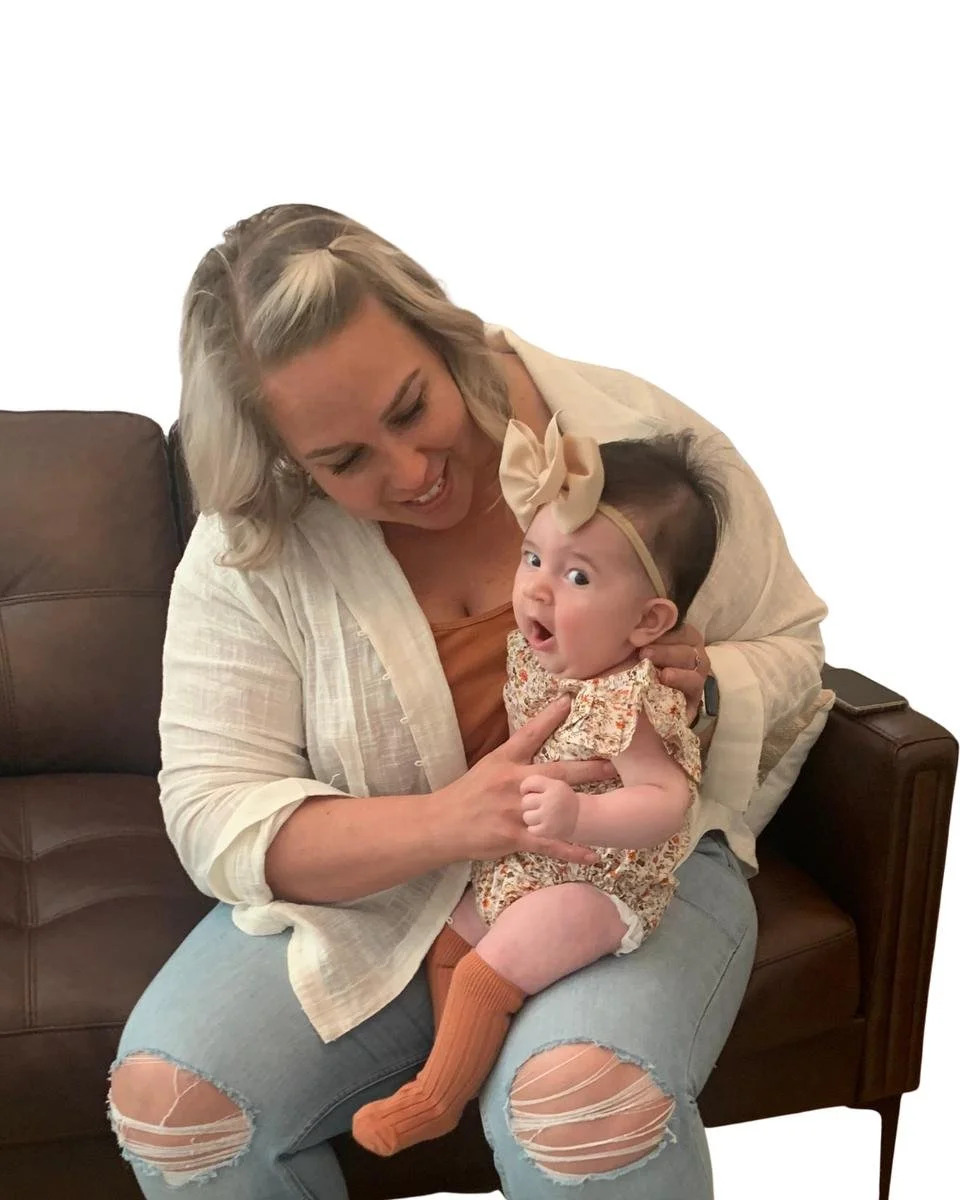
Understanding Baby Constipation
Constipation in infants looks different than in adults. Your baby may go days without a bowel movement, strain excessively when passing stool, produce hard or pellet-like stools, appear uncomfortable or fussy — especially around feeding — or arch their back or pull their legs up repeatedly.
For breastfed babies, infrequent stools can be normal. But when it comes with discomfort, straining, or changes in behavior, it's worth talking with your pediatric provider.
The Nervous System–Digestion Connection
Digestion is closely connected to the nervous system. The body's rest-and-digest state supports comfortable digestion, which is why we pay attention to how settled or stressed your baby's nervous system seems.
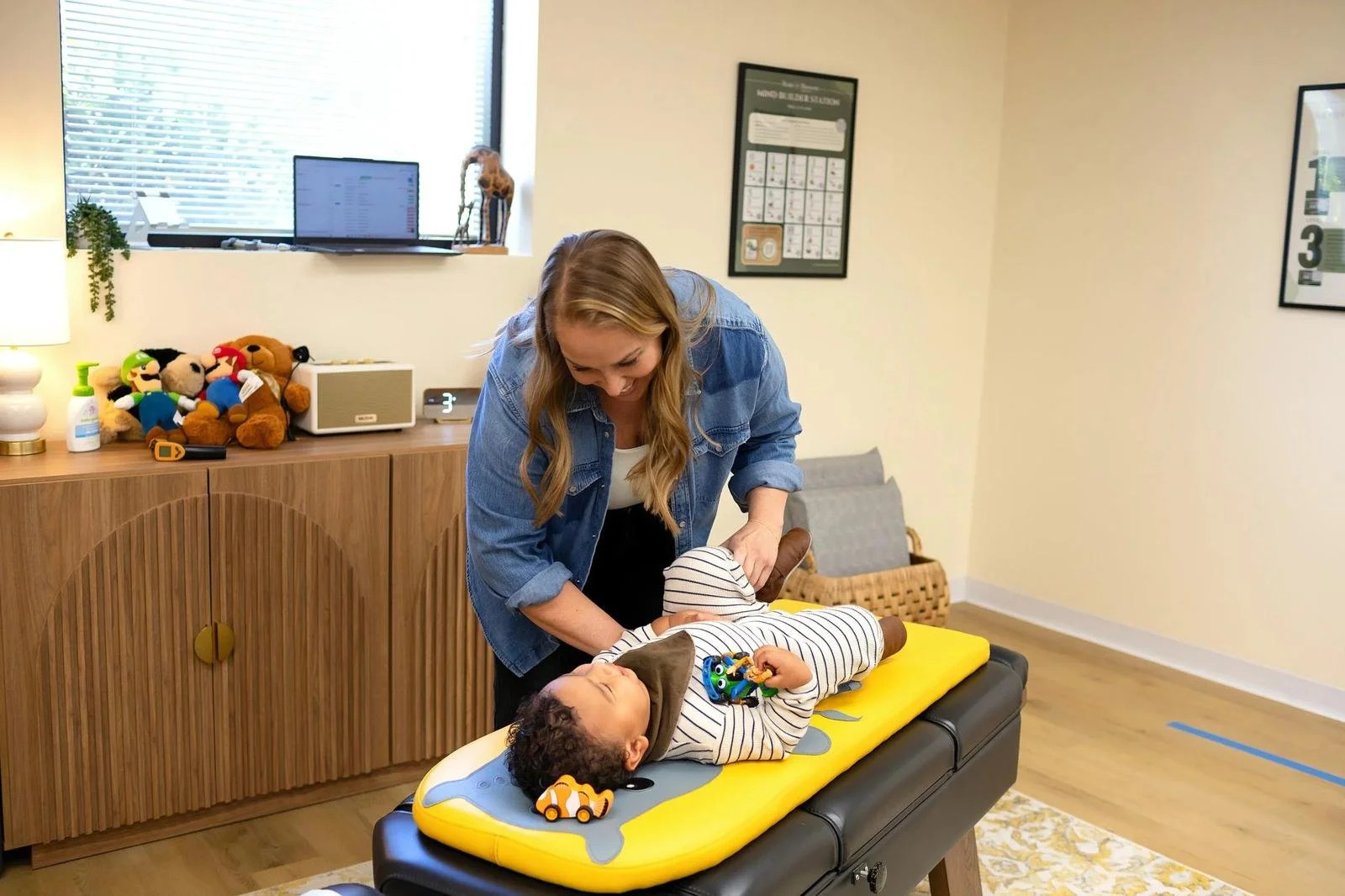
At Taproot, we look at how your baby's nervous system is adapting, including how they move, rest, and respond to gentle touch, while your pediatric provider evaluates bowel patterns and digestion.

How Chiropractic Supports Your Baby
Gentle adjustments provide sensory input through the spine. The aim is to support brain-body communication and the nervous system's capacity to regulate and adapt—not to directly change gut motility.
Chiropractic does not diagnose or treat constipation, colic, or reflux. Infant bowel changes should be discussed with your baby's pediatric healthcare provider.

What We Monitor During Care
We monitor how comfortably your baby moves, rests, and adapts to sensory input. Parent observations about feeding, sleep, comfort, and bowel patterns are useful context, but responses vary and are not guaranteed.
Chiropractic care remains supportive and should be coordinated with pediatric evaluation for constipation or other digestive concerns.
Frequently Asked Questions
Can chiropractic help a constipated baby?
Chiropractic does not diagnose or treat constipation. Gentle adjustments provide sensory input that may support nervous-system regulation and adaptability alongside appropriate pediatric care.
How does the nervous system affect digestion?
Digestion is closely linked to the nervous system, and the body's rest-and-digest state supports comfortable digestion. Our care looks at how your baby's nervous system is adapting. It does not directly change gut motility, and persistent constipation should be evaluated by your pediatric provider.
How gentle is the adjustment?
Very gentle. Infant adjustments use sustained fingertip contact — the same light pressure you'd use to test a tomato for ripeness. There's no force or manipulation.
How will we know how my baby is adapting?
Dr. Jennifer reassesses movement, tension, and nervous-system patterns over time. Bowel changes cannot be promised and persistent concerns should be discussed with your pediatric provider.