
Bedwetting Support in Temecula
A supportive, pressure-free nervous-system approach that complements appropriate pediatric guidance.
Understanding Bedwetting (Nocturnal Enuresis)
Bedwetting — medically known as nocturnal enuresis — is more common than most families realize. It affects approximately 15% of 5-year-olds, 5% of 10-year-olds, and can persist into the teen years for some children.
For the child, it can be embarrassing and limit their participation in overnight activities. For parents, it's often a source of concern, especially when various approaches haven't provided the desired results.
Bedwetting has many possible contributors and should be evaluated with your child's pediatrician. Gentle nervous-system support can be one natural, complementary part of a comprehensive care approach.
Brain-Body Communication and Regulation
The brain relies on sensory information from the spine and body to coordinate movement and regulate automatic functions through the autonomic nervous system. Chiropractic care does not treat bedwetting, change bladder function directly, or replace pediatric evaluation.
Gentle adjustments provide new sensory input intended to help the brain update its understanding of the body. This may support overall regulation, adaptability, coordinated movement, and physical comfort as part of a broader care plan.

How Chiropractic Can Be Part of the Plan
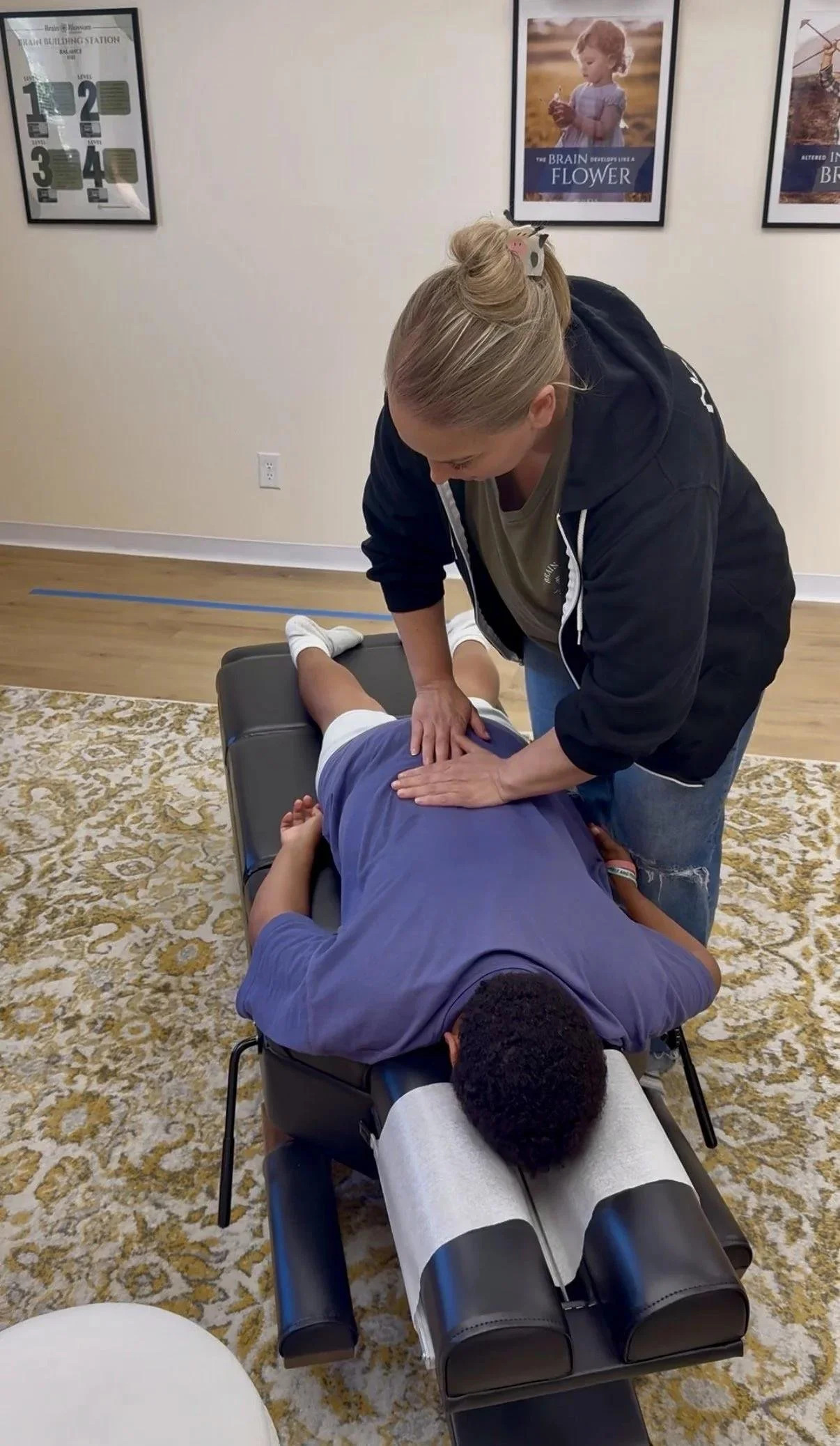
Dr. Jennifer assesses how your child is moving, adapting, and processing sensory input from the spine and body. Adjustments are gentle, age-appropriate integration events intended to support brain-body communication and nervous-system regulation.
We work collaboratively with families and encourage continued care with your child's medical providers to explore all possible contributors to bedwetting.

A Supportive Environment
We provide a supportive, pressure-free environment for your child. We understand the stress bedwetting can cause, and our focus is on gentle nervous-system care—not making your child feel responsible for a process they do not consciously control.
Patient Stories
"Now that I'm expecting twins, her knowledge of prenatal care has been an absolute lifesaver. She is so thorough, so thoughtful, and she takes her time... This last visit, my son ended up getting adjusted too, and I kid you not, he has slept better than he has in ages."
"She makes the environment so fun for him and my daughter who tags along a lot. She's so efficient, intentional, and caring... Every visit is quick, fun and easy."
* Individual experiences vary. Testimonials do not guarantee specific results.
Frequently Asked Questions
Take the Next Step
Whether you're looking for answers, seeking relief, or wanting to support your family's nervous system — we're here to help you thrive.