
Pelvic Pain & SPD Support in Temecula
Gentle, pregnancy-adapted care to support comfort and movement when your pelvis feels unstable.
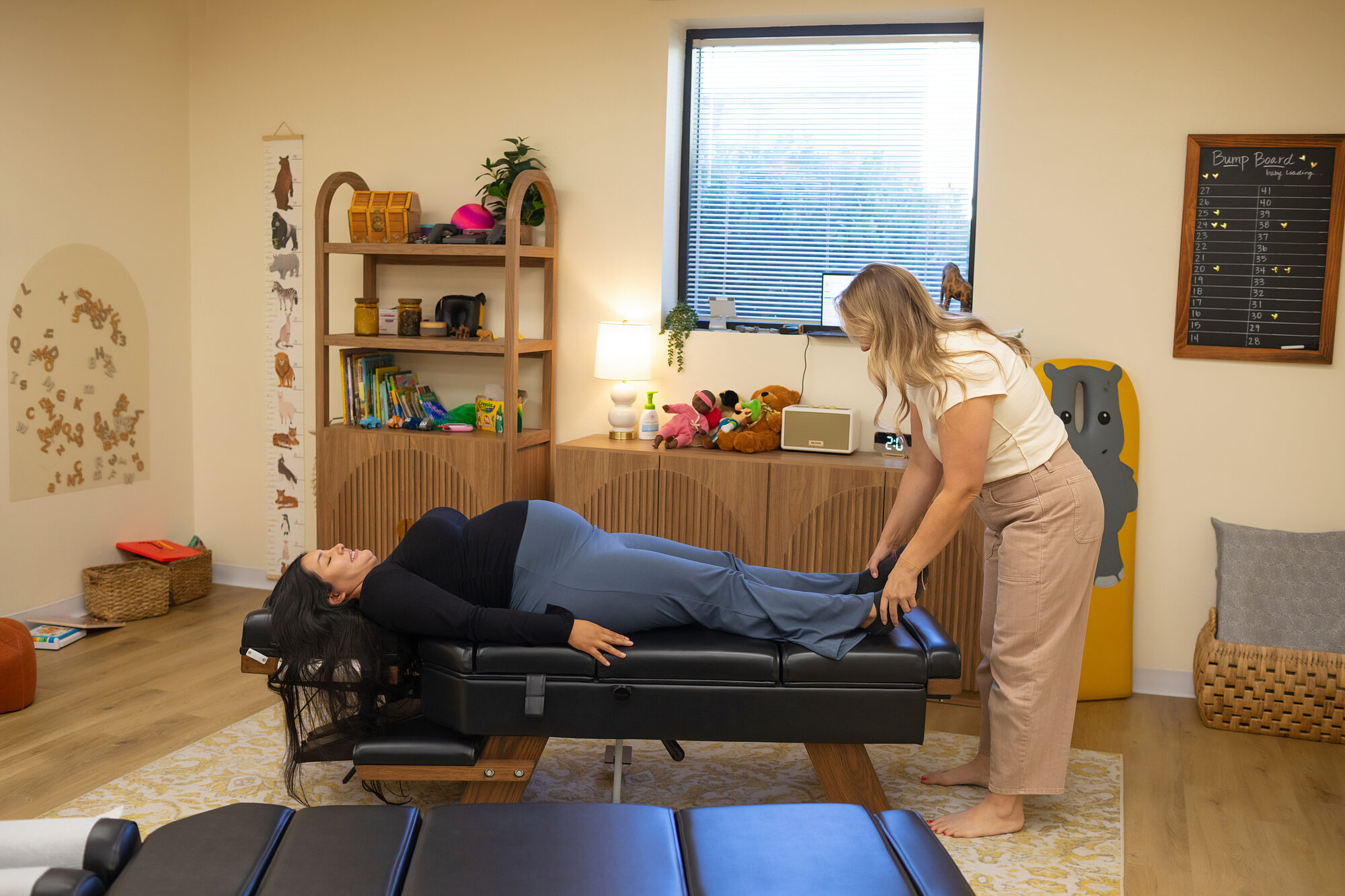
Pelvic pain during pregnancy can make walking, climbing stairs, and even rolling over in bed feel hard. At Taproot Chiropractic in Temecula, Dr. Jennifer Gordon offers gentle, Webster-certified care for moms with symphysis pubis dysfunction (SPD) and pregnancy pelvic pain, as part of our prenatal chiropractic care in Temecula. Care supports comfort, movement, and adaptability; it does not diagnose or treat SPD.
What Is SPD in Pregnancy?
Symphysis pubis dysfunction (SPD) happens when the joint at the front of your pelvis, the pubic symphysis, becomes more mobile and irritated during pregnancy. The hormone relaxin loosens the ligaments that hold the joint together, while the growing weight and demands of pregnancy add load.
Pregnancy-related pelvic girdle pain, which includes SPD, affects roughly 1 in 5 pregnant women to some degree. For some moms it's a mild nuisance. For others, it affects walking, sleeping, and basic daily activities.
Signs and Symptoms of SPD
Symptoms usually build as pregnancy progresses and the load on your pelvis increases. Common signs include:
- Pain at the front of the pelvis, over the pubic bone
- A clicking or grinding sensation in the pelvic joint
- Pain that worsens with walking, climbing stairs, or standing on one leg
- Difficulty turning over in bed
- Sharp pain when spreading your legs apart
- A feeling of instability, as if your pelvis is "giving way"
How Can a Chiropractor Help With SPD in Temecula?
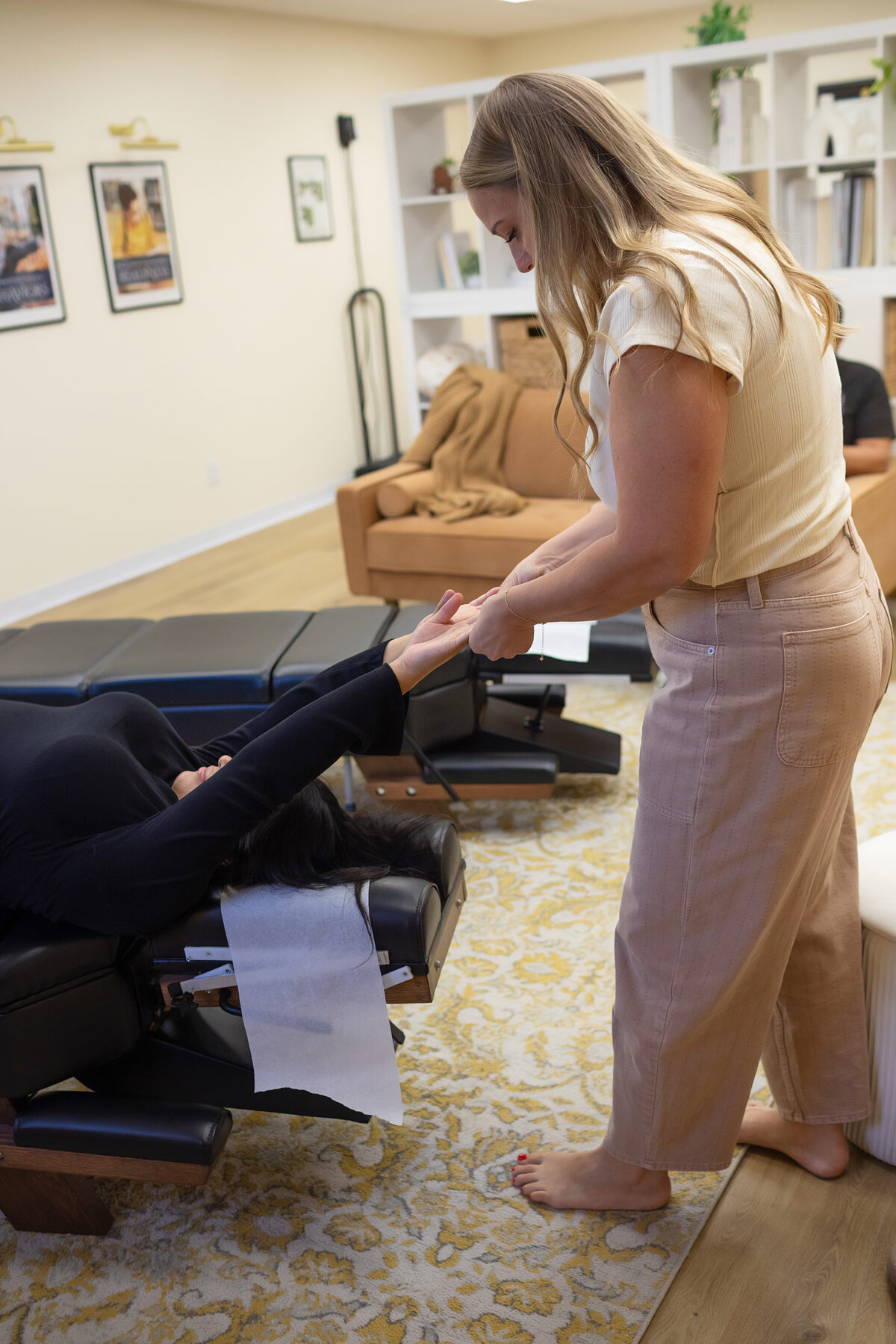
Pregnancy changes how your pelvis, spine, muscles, and nervous system respond to load. Gentle chiropractic care provides sensory input intended to support movement, comfort, and adaptability through those changes.
Supporting Movement
Gentle, pregnancy-adapted input supports comfortable movement through the sacrum and pelvis.
Understanding Demand
We look at how changing muscles, ligaments, and movement patterns affect the demands your body is processing.
Webster Technique
Dr. Jennifer is certified in the Webster Technique, which provides gentle, pregnancy-specific sensory input to support comfort and adaptability.
Nervous System Regulation
Care helps your body manage the increased structural demands of pregnancy.
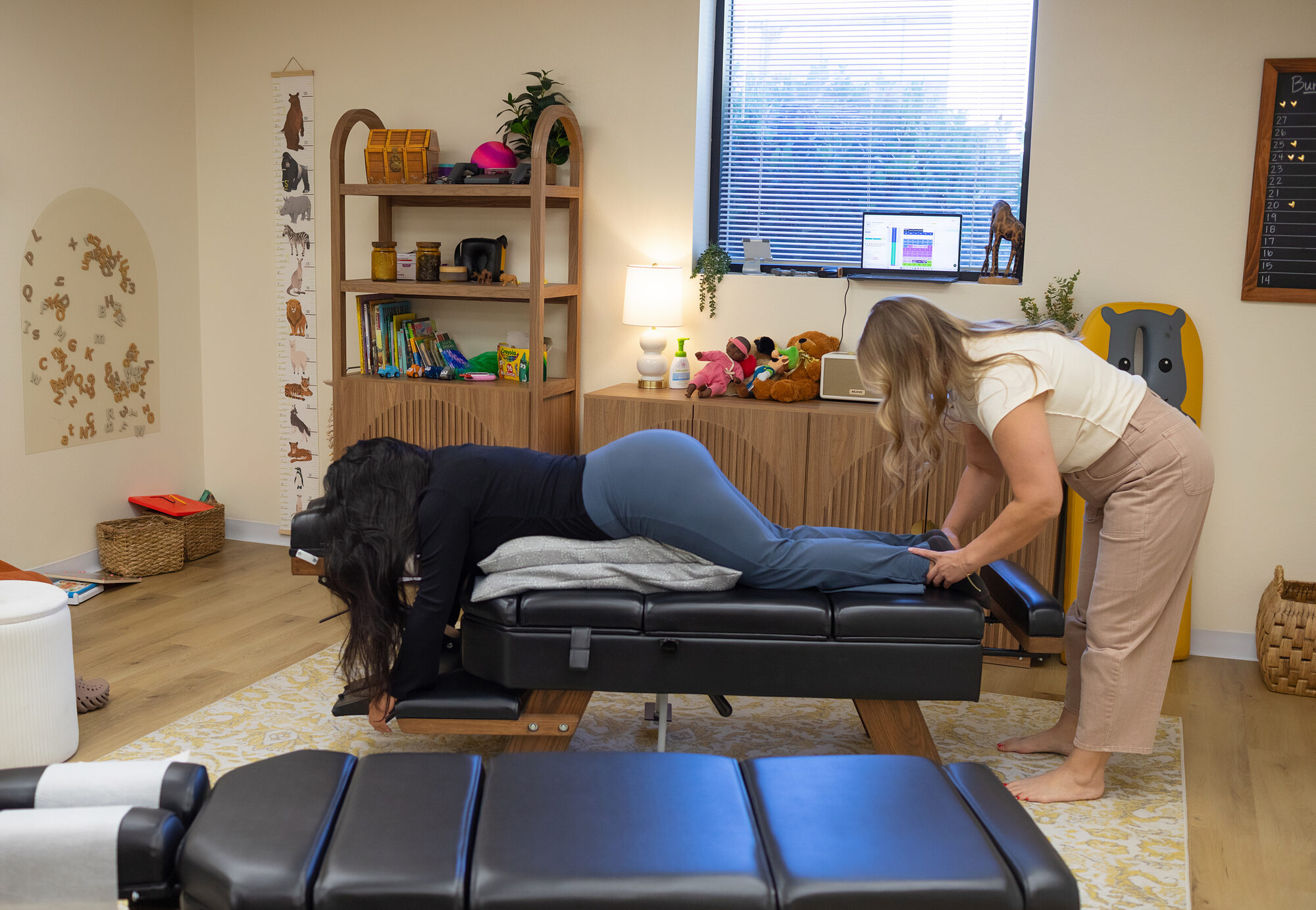
Dr. Jennifer's approach is gentle and adapted to your comfort. There's no forcing a joint into place, and positioning is adapted for pregnancy throughout your visit.
Everyday Tips for Pelvic Comfort
Small changes in how you move can make a real difference between visits:
- Keep your knees together when getting in and out of the car or bed
- Take stairs one step at a time
- Sleep with a pillow between your knees
- Avoid standing on one leg, including while getting dressed
- Break up long periods of standing or walking
When to Call Your OB or Midwife
Contact your OB or midwife if your pelvic pain is severe, comes on suddenly, keeps you from walking, or comes with bleeding, fever, or contractions. Our care works alongside your birth team, not in place of it.
Stories from Our Moms
"I originally came in struggling with pelvic and sciatica pain, and after my very first treatment, I could already feel a noticeable difference. I'm so grateful to have found a provider who genuinely listens, cares, and helps me feel my best throughout this pregnancy."
* Individual experiences vary. Testimonials do not guarantee specific results.
SPD and Pelvic Pain Questions
Take the Next Step
Whether you're looking for answers, seeking relief, or wanting to support your family's nervous system — we're here to help you thrive.