
Sensory Processing Support in Temecula
Gentle nervous-system care supporting brain-body integration in a calm, sensory-considerate environment.

Understanding Sensory Processing Differences
Sensory processing challenges occur when a child's brain has difficulty receiving, organizing, and responding to sensory information. The input itself — sounds, textures, lights, movement, touch — isn't the problem. The challenge lies in how the body interprets and manages that input.
For some children, ordinary sensory experiences are overwhelming — a clothing tag feels unbearable, a crowded room is too much, or unexpected sounds cause distress. For others, they may seek out intense input through constant movement, crashing into things, or seeming inattentive.
Many children experience a mix of both, making daily life unpredictable for the child and the family.
Signs Your Child May Have Sensory Challenges
Children experiencing sensory challenges may show signs such as:
- Strong aversions to certain textures, sounds, lights, or touch.
- Difficulty navigating transitions or changes in routine.
- Feeling overwhelmed in busy or noisy environments.
- Seeking intense physical input (spinning, jumping, crashing).
- Picky eating related to food textures.

These aren't behavioral choices; they reflect how the child is experiencing the world.
The Spine-Brain Sensory Connection
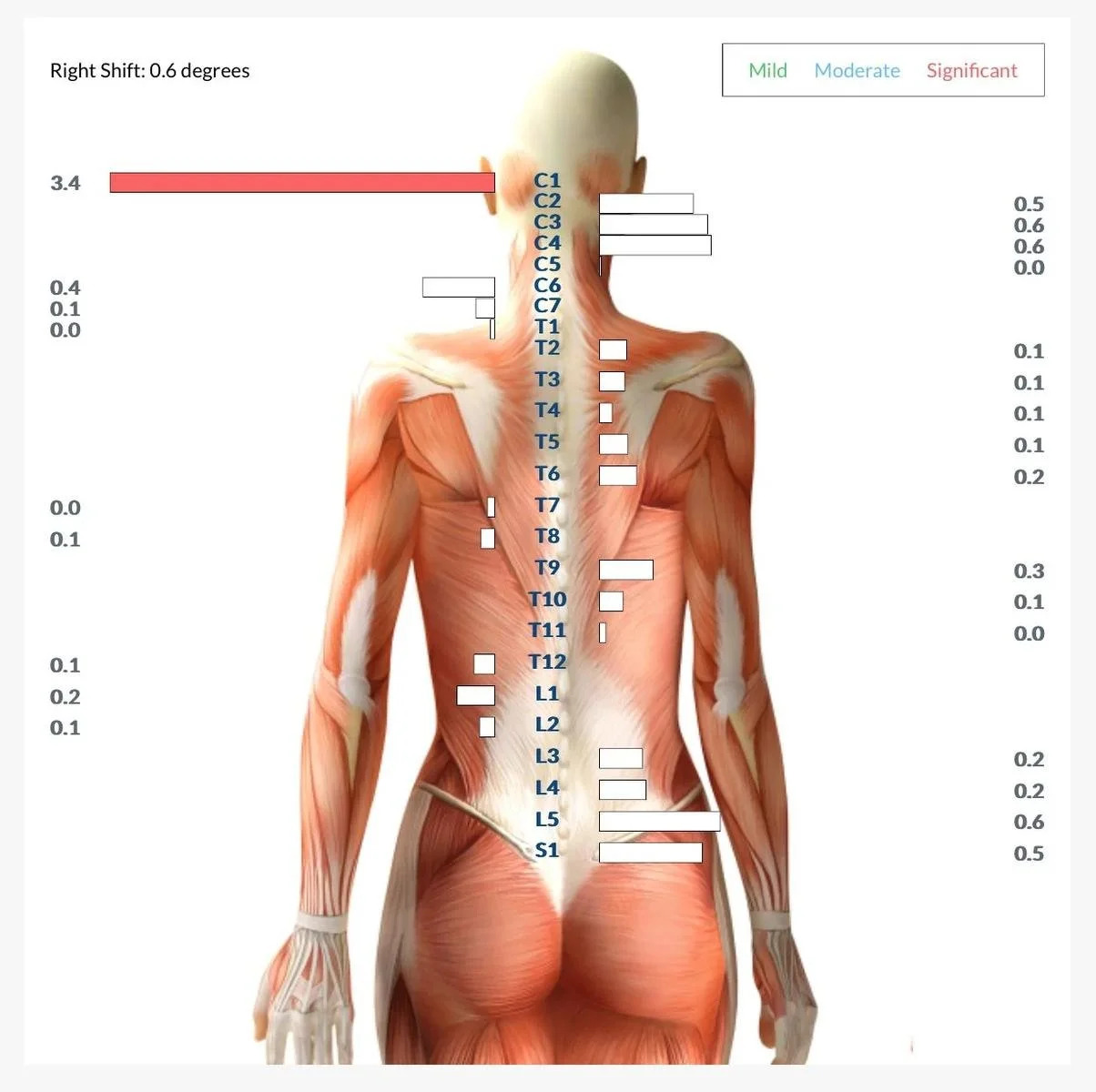
The spine, joints, and muscles continually send sensory information to the brain about position, movement, and what is happening inside the body. The brain combines this internal information with sights, sounds, touch, and other environmental input to decide how the body should respond.
Chiropractic does not diagnose or treat sensory processing disorder. Gentle adjustments provide new sensory input intended to support how the brain receives and integrates information from the body. This may support regulation, adaptability, coordinated movement, and physical ease alongside occupational therapy and other appropriate care.
How Chiropractic Supports Sensory-Sensitive Kids
Dr. Jennifer's FOCUS-certified training equips her to adapt care for sensory-sensitive children. We provide a calm, supportive environment and use very gentle techniques that respect each child's signals, boundaries, and pace.
Each adjustment is an integration event intended to give the brain useful sensory information—not force a child to tolerate input or respond in a particular way. This whole-body approach complements, rather than replaces, occupational, medical, and developmental care. We also support children navigating ADHD, autism, and anxiety.
What Parents Notice
Parents may notice that their child seems more regulated, adaptable, coordinated, or comfortable in their body and environment. Experiences vary, and these observations do not mean that chiropractic care is treating a sensory processing condition.
Patient Stories
"Now that I'm expecting twins, her knowledge of prenatal care has been an absolute lifesaver. She is so thorough, so thoughtful, and she takes her time... This last visit, my son ended up getting adjusted too, and I kid you not, he has slept better than he has in ages."
"She makes the environment so fun for him and my daughter who tags along a lot. She's so efficient, intentional, and caring... Every visit is quick, fun and easy."
* Individual experiences vary. Testimonials do not guarantee specific results.
Frequently Asked Questions
Take the Next Step
Whether you're looking for answers, seeking relief, or wanting to support your family's nervous system — we're here to help you thrive.