
Stress & Tension Support in Temecula
Supportive care for physical tension, comfort, and everyday well-being.
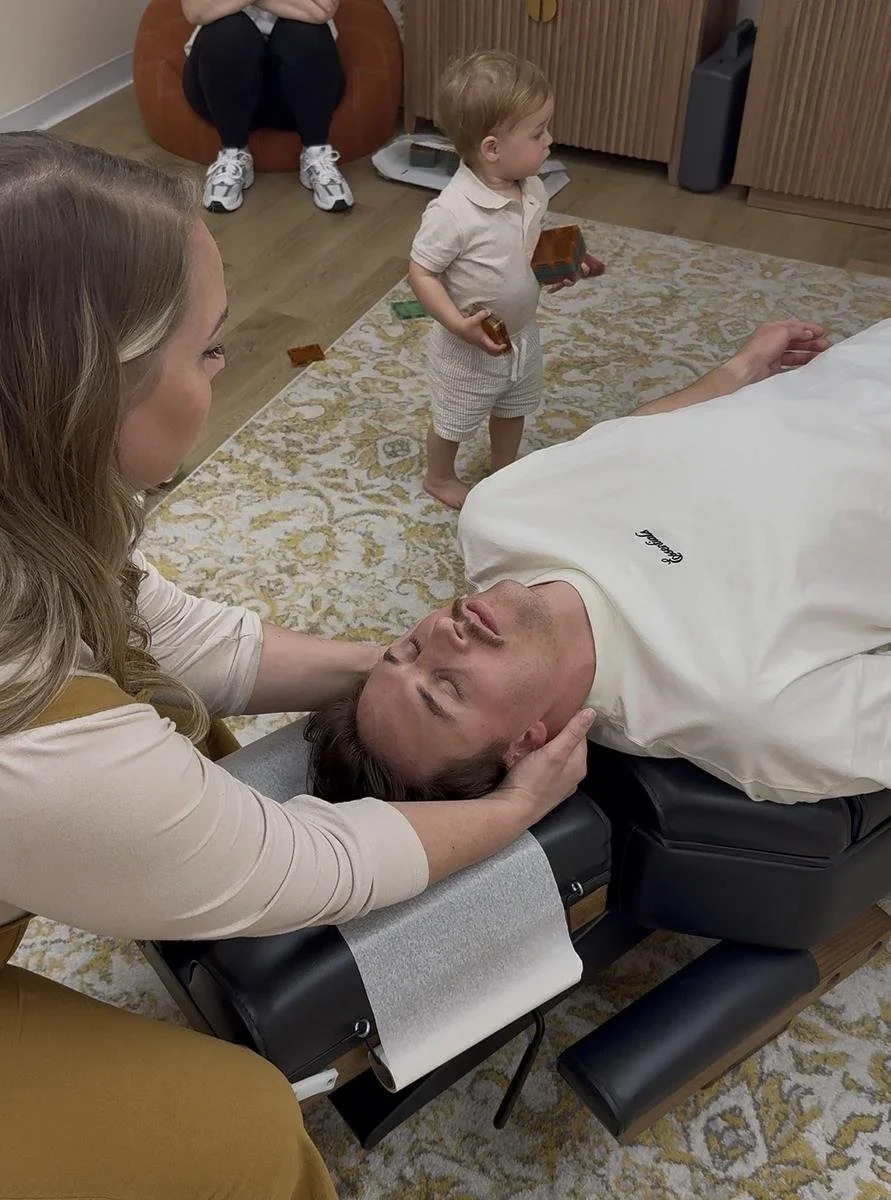
Physical Stress and Your Body
Stress isn't just something you feel emotionally—it's something your body carries physically. When you're navigating the demands of work, family, and daily life, your body often responds by holding tension.
Over time, this chronic physical tension can affect how you feel and move. You might notice it as stiffness in your neck and shoulders, a rigid lower back, or just a general sense of physical fatigue.
We focus on helping your body ease that accumulated physical stress.
A Supportive Physical Approach
When spinal mobility is restricted, the surrounding muscles often tighten in response. This creates a cycle of physical tension that can be hard to break through stretching or rest alone.
Chiropractic care focuses on the musculoskeletal system. By supporting spinal alignment and encouraging healthy joint movement, we aim to help your body release some of its physical guarding. We also provide supportive care for tension headaches that often accompany physical stress.
Our goal is to support your physical comfort, which many find helpful in managing their overall well-being.
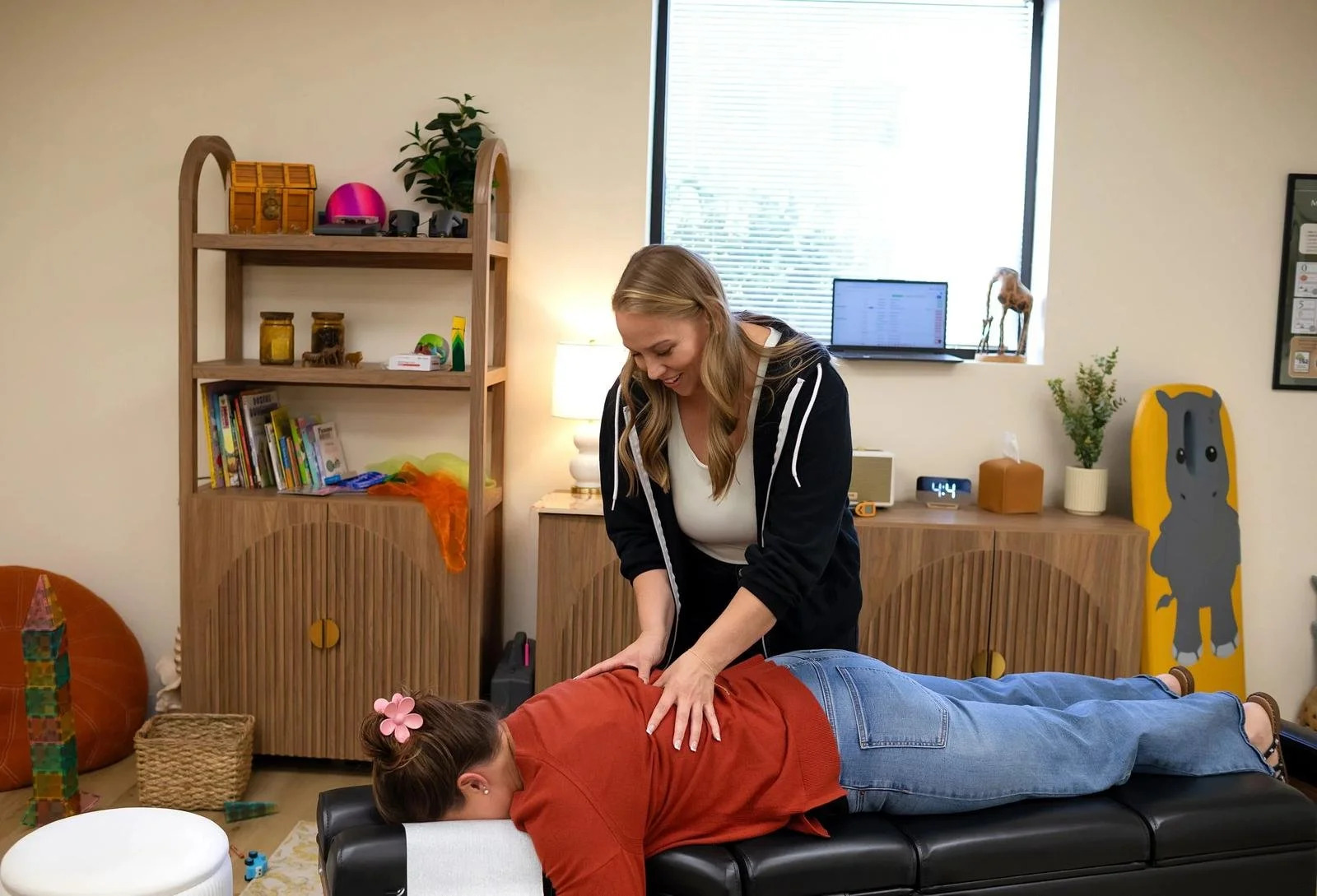
Assessing Your Physical Tension
At Taproot, we use thorough assessments to understand how and where your body is carrying stress.
By evaluating your posture, muscle tension, and spinal mobility, Dr. Jennifer can identify the physical patterns that have developed over time.
This allows us to provide targeted, gentle care designed to support your body's ability to move comfortably and efficiently.
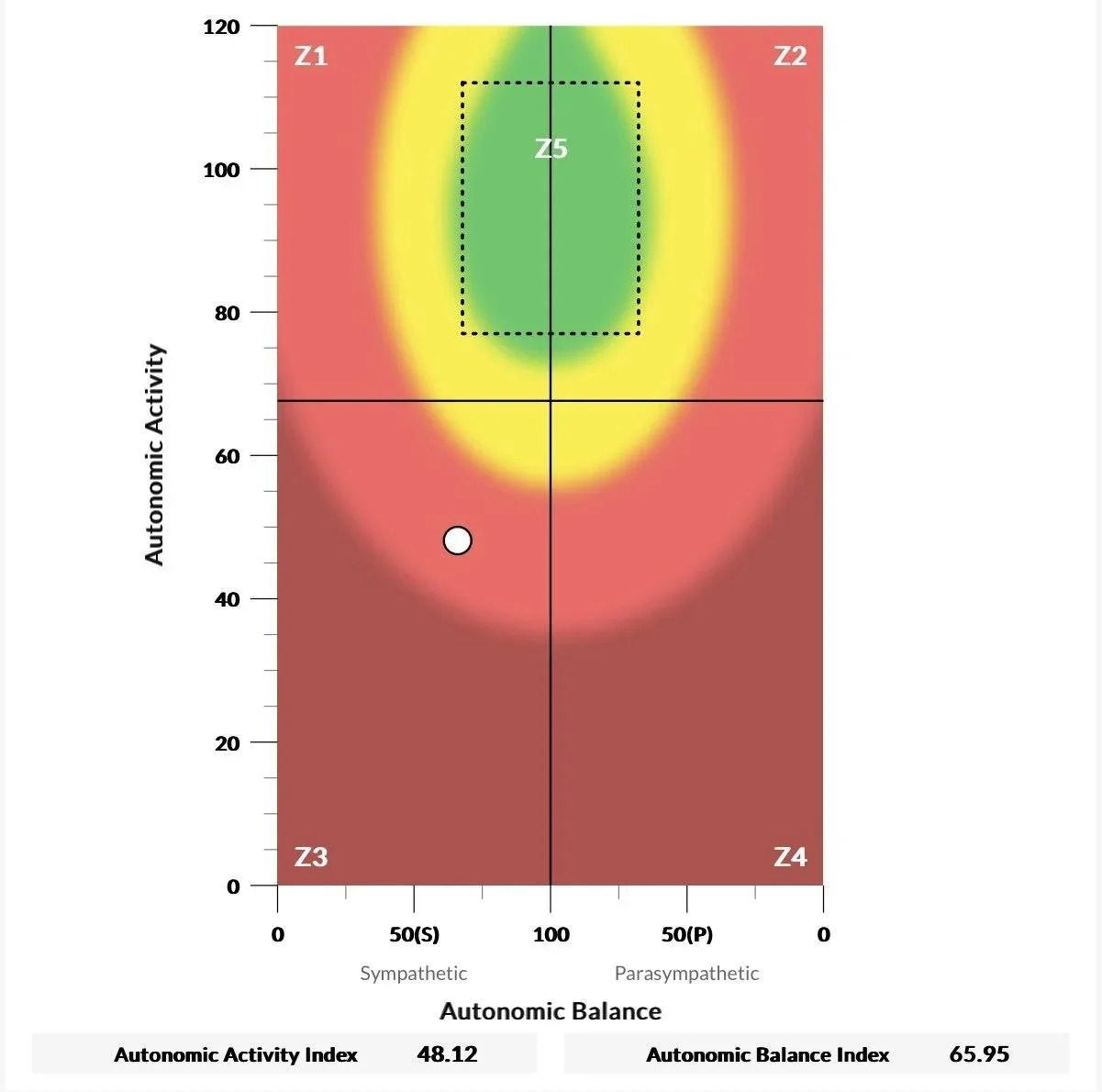
Supporting Your Daily Life
Many patients tell us that when they feel less physical tension, it's easier to navigate their daily routines. Easing musculoskeletal discomfort can be an important part of your overall approach to managing stress.
While chiropractic care does not treat emotional stress or anxiety, supporting your physical comfort can be a helpful and grounding part of your self-care routine.
Patient Stories
"She has helped my entire family with a number of different physical ailments and differences. I have a long existing spinal injury that causes chronic pain and her adjustments help greatly... Everyone in the household benefits from Dr Gs attention to detail, curated care plans, and expertise."
"Dr. Jennifer works wonders. Her attention to detail is impeccable and she truly is a master of her craft. 10/10 recommend."
* Individual experiences vary. Testimonials do not guarantee specific results.
Frequently Asked Questions
Take the Next Step
Whether you're looking for answers, seeking relief, or wanting to support your family's nervous system — we're here to help you thrive.