Postpartum Chiropractor in Temecula
Supporting your body's recovery, pelvic alignment, and nervous system regulation in the fourth trimester and beyond.
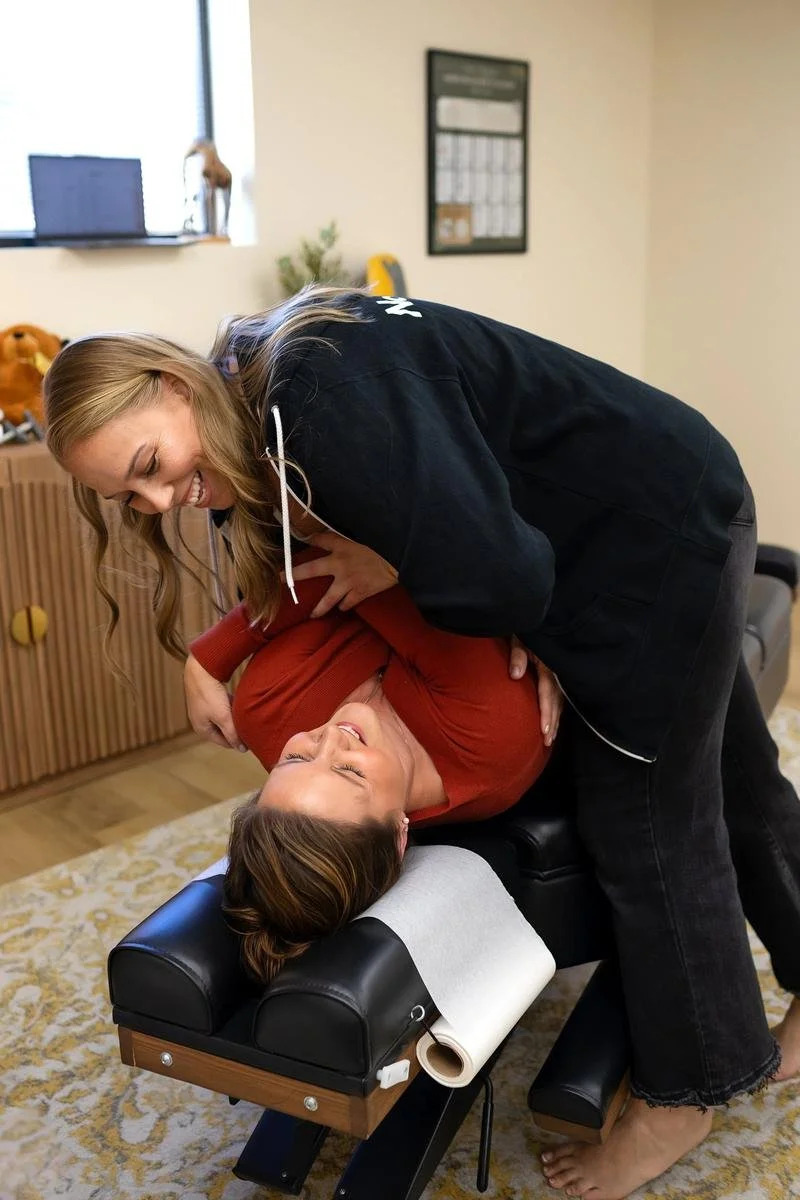
Your Body After Birth
In the weeks and months after delivery, your body is doing extraordinary work — restabilizing ligaments, shifting your pelvis back, regulating hormones, and adapting to the constant physical demands of caring for a newborn.
But here's what most new moms aren't told: your body doesn't always recover on its own timeline. Pelvic shifts, postural changes, and the physical stress of pregnancy and birth can take time to settle.
Without support, some of these changes can linger long after the newborn stage. Postpartum chiropractic care offers gentle support as your body recovers.
If you are still preparing for birth, learn more about our prenatal chiropractic care in Temecula.

How Chiropractic Supports Recovery
Pelvic Adaptability
Pregnancy and delivery place changing demands on your pelvis. Gentle adjustments provide sensory input intended to support comfortable movement and adaptability during recovery.
Spinal Movement
Months of postural changes, plus the demands of feeding and carrying your baby, create new movement patterns. Care supports how your spine moves and communicates with the nervous system.
Nervous System Regulation
Birth is neurologically intense. Care provides one supportive input as your nervous system adapts through rest, recovery, and regulation.
Breastfeeding Support
Neck and shoulder discomfort from feeding positions is common. Gentle care and movement guidance may support comfort, while feeding pain should also be discussed with the appropriate healthcare provider.
What Care Looks Like
When to start
Most moms can begin within the first few weeks after a vaginal delivery. After a C-section, we recommend waiting until cleared by your OB or midwife, though gentle nervous system work can often begin earlier. There's no "too late" — whether you're 2 weeks or 2 years postpartum.
How often
Visit frequency depends on your needs. Many new moms are seen weekly during the early postpartum period, tapering to biweekly and then wellness visits as recovery progresses.
Care for Your Whole Family
When your nervous system is regulated, you're more attuned to your baby. When your baby receives gentle neurological support alongside you, the whole family thrives.
Learn About Infant ChiropracticConcerns Moms Often Mention
Many new moms who come to Taproot in Temecula mention:
- Lower back pain and SI joint dysfunction
- Neck and shoulder tension from feeding and carrying
- Pelvic floor dysfunction and instability
- Upper back stiffness and 'nursing hunch'
- Fatigue, brain fog, and nervous system overwhelm
- Difficulty recovering from C-section
Pelvic floor symptoms and C-section recovery should also be discussed with your OB, midwife, or a pelvic floor physical therapist.
Stories from Our Moms
"I started seeing Dr. Jen for postpartum support and I feel so much better after my first adjustment. I appreciate the thorough intake and loved the space she created."
* Individual experiences vary. Testimonials do not guarantee specific results.
Frequently Asked Questions
Take the Next Step
Whether you're looking for answers, seeking relief, or wanting to support your family's nervous system — we're here to help you thrive.