
Childhood Anxiety Support in Temecula
A calm, pressure-free environment supporting brain-body communication, adaptability, and regulation.
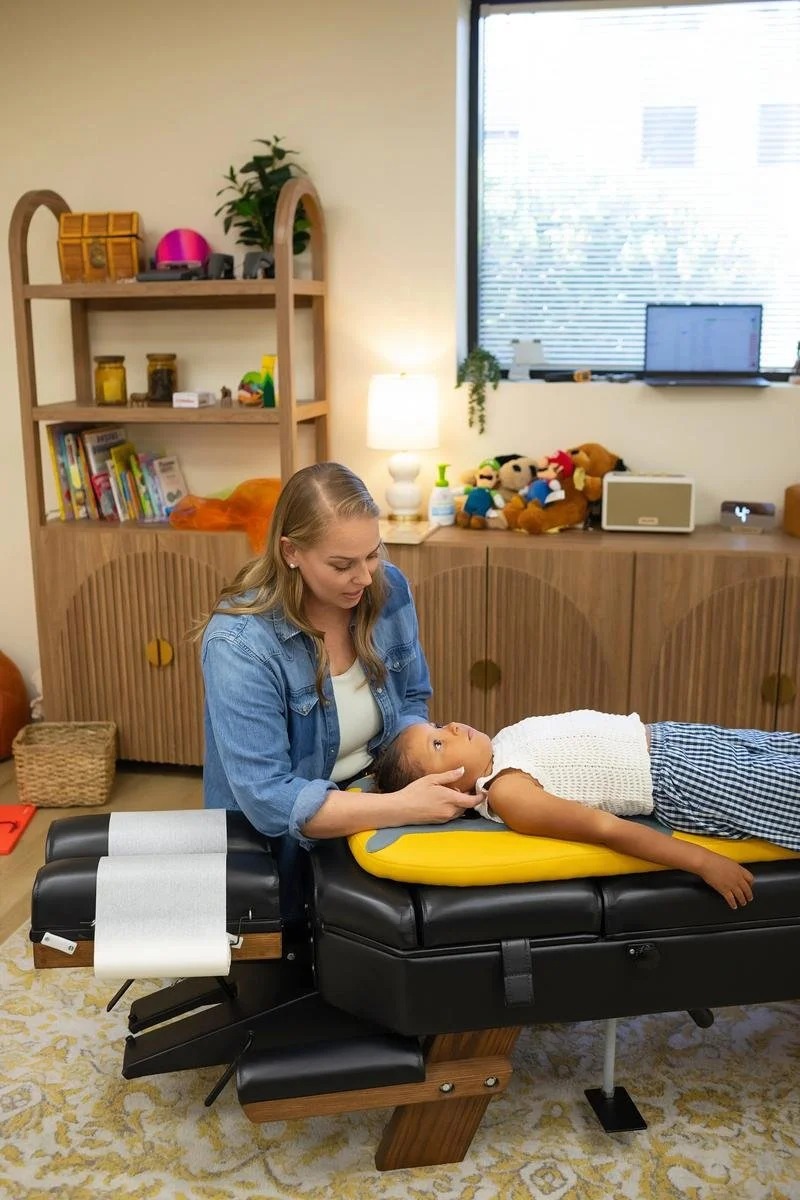
Understanding Childhood Anxiety
Childhood anxiety doesn't always look like what adults expect. It's not just a nervous kid before a test. It can show up as stomachaches before school, refusal to attend activities they used to enjoy, emotional meltdowns over small changes in routine, difficulty falling asleep, clinginess, or irritability that seems disproportionate.
Chiropractic care does not diagnose or treat anxiety or any mental health condition. Our role is to provide gentle sensory input through the spine and body, which may support brain-body communication, autonomic regulation, and adaptability as one part of a child's broader care plan.
The Body's Response to Stress
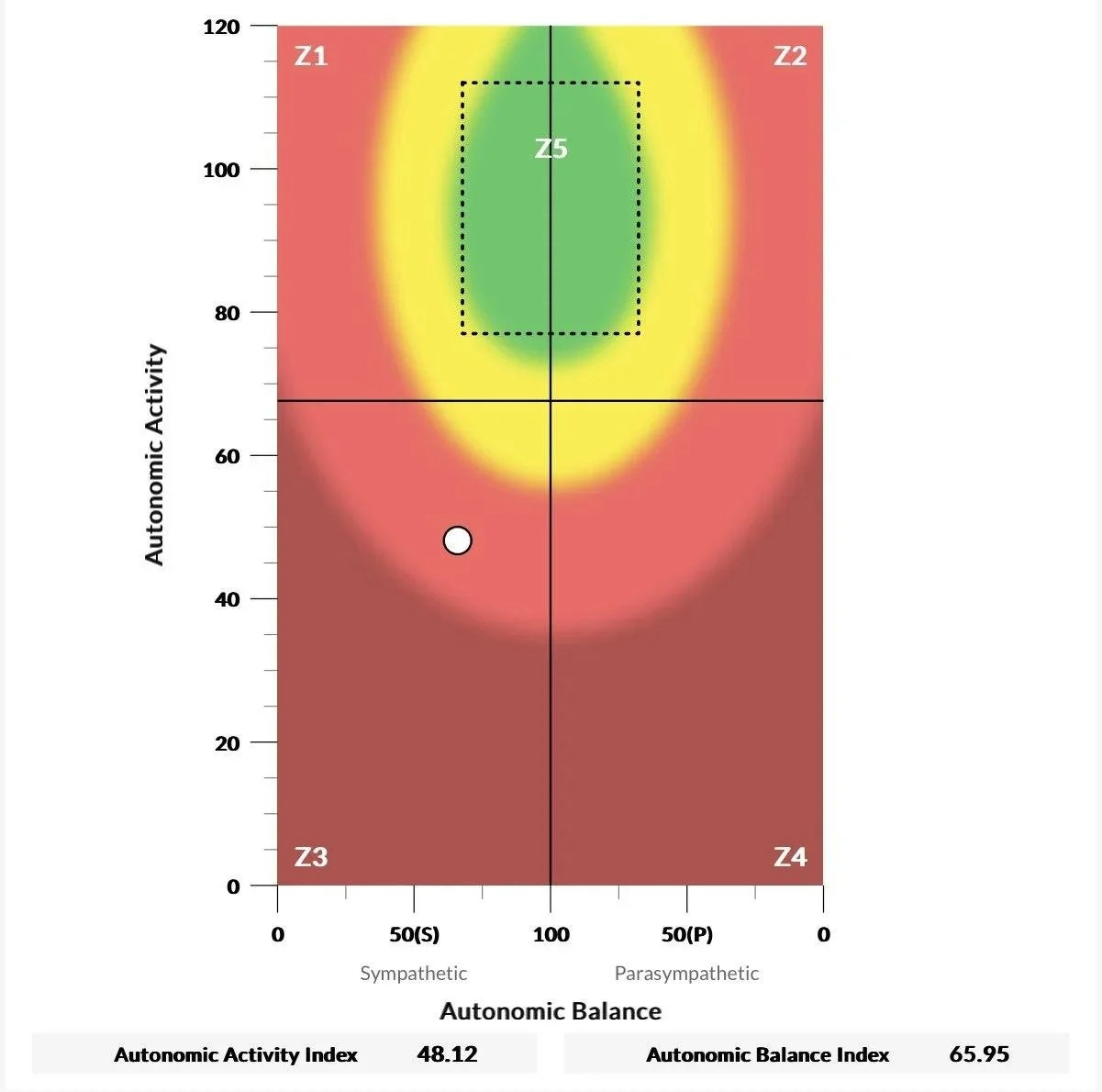
The autonomic nervous system helps coordinate automatic functions such as heart rate, breathing, digestion, and the body's response to perceived stress. A child may experience physical signs such as a racing heart, shallow breathing, muscle tension, or difficulty settling even when they are safe.
The spine is a rich source of sensory information for the brain. Gentle adjustments provide new input intended to help the brain update its understanding of the body and organize an appropriate response. This does not treat anxiety, but it may support regulation, adaptability, coordinated movement, and physical ease.
We understand that your child isn't choosing to feel this way, and we're here to provide a supportive environment.
How Chiropractic Supports Your Child
Dr. Jennifer provides gentle, neurologically focused chiropractic care. Rather than attempting to correct a child's emotions or behavior, we use specific sensory input intended to support the nervous system's ability to process information and adapt.
This natural, whole-body approach complements—not replaces—care from pediatricians and mental health professionals. We also provide supportive care for children navigating focus challenges and sensory processing differences.
What Parents Notice
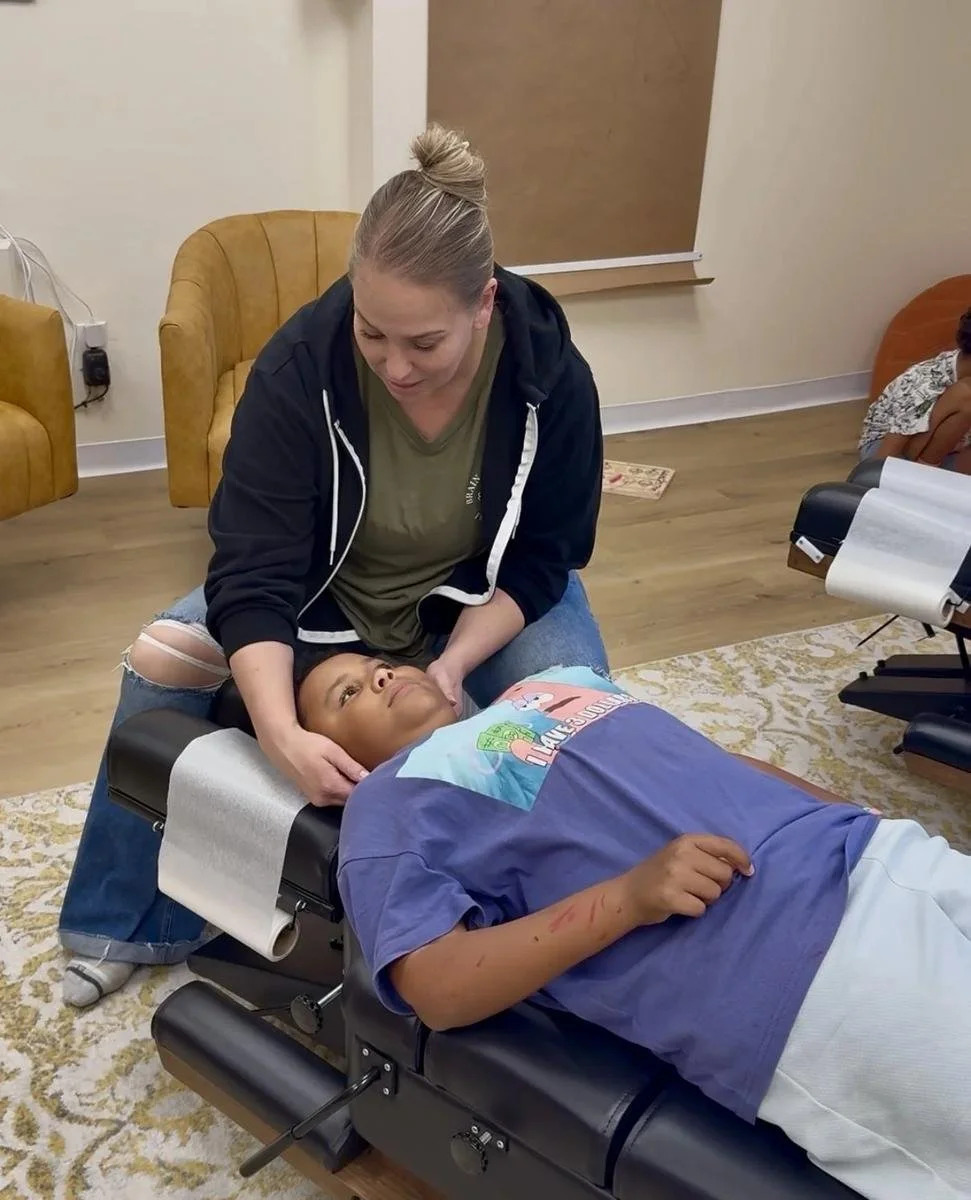
Parents may notice that their child seems more settled, adaptable, or physically at ease. These observations vary from child to child and do not mean that chiropractic care is treating anxiety.
Patient Stories
"Now that I'm expecting twins, her knowledge of prenatal care has been an absolute lifesaver. She is so thorough, so thoughtful, and she takes her time... This last visit, my son ended up getting adjusted too, and I kid you not, he has slept better than he has in ages."
"She makes the environment so fun for him and my daughter who tags along a lot. She's so efficient, intentional, and caring... Every visit is quick, fun and easy."
* Individual experiences vary. Testimonials do not guarantee specific results.
Frequently Asked Questions
Take the Next Step
Whether you're looking for answers, seeking relief, or wanting to support your family's nervous system — we're here to help you thrive.