
ADHD & FOCUS
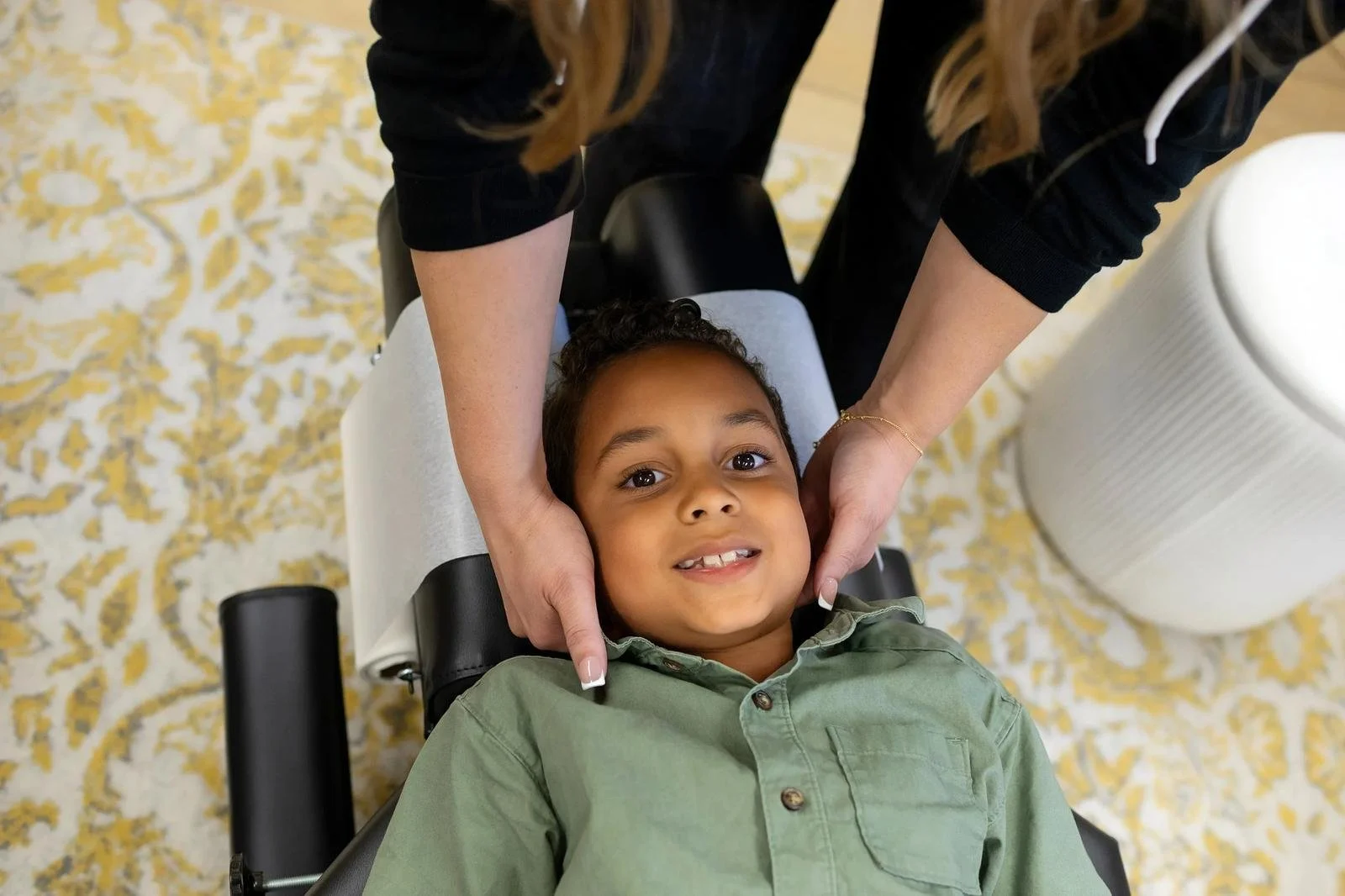
Understanding ADHD and Focus Challenges
ADHD affects roughly 1 in 9 children — and for many families, the diagnosis is just the beginning of a long, frustrating search for answers. Medication helps some kids but doesn't work for all. Behavioral strategies provide tools but don't address why the brain is struggling in the first place.
What parents see daily — the inability to sit still, the forgotten homework, the emotional outbursts, the battles over simple tasks — isn't a discipline problem. It's a neurological one. Your child isn't choosing not to focus. Their nervous system isn't giving them the option.
The Nervous System Connection
ADHD is fundamentally a regulation issue. The brain's ability to filter input, sustain attention, manage impulses, and shift between tasks depends on balanced communication between the sympathetic and parasympathetic nervous systems.
When a child's nervous system is stuck in sympathetic dominance — fight-or-flight mode — the prefrontal cortex (responsible for focus, planning, and impulse control) doesn't get the resources it needs. The brain is too busy scanning for threats to settle into sustained attention.
This dysregulation often begins with birth stress, accumulates through early childhood, and becomes most visible when academic and social demands increase.

How FOCUS-Certified Chiropractic Supports Your Child
Dr. Jennifer's FOCUS-certified approach targets the specific neurological patterns that drive ADHD symptoms. Using INSiGHT scans, she identifies where your child's nervous system is under stress and how that stress is affecting brain-body communication.
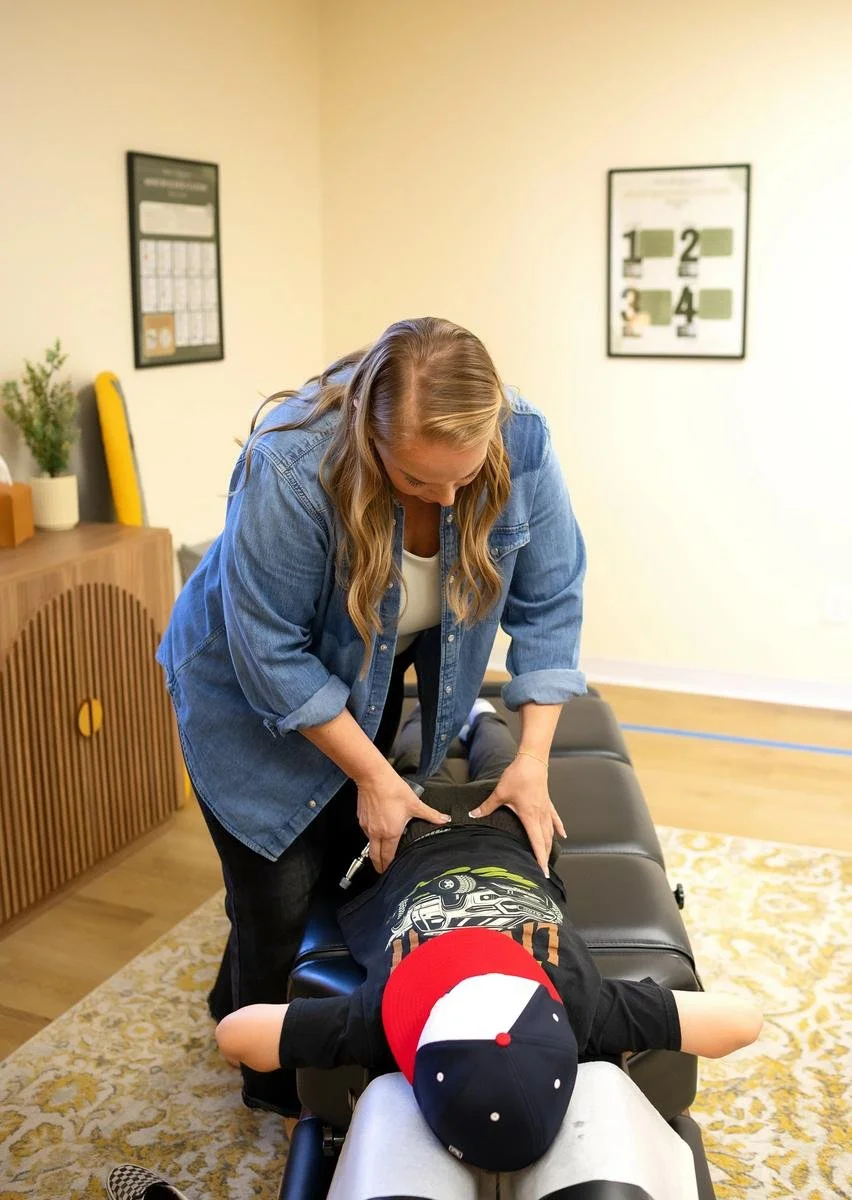
Gentle, precise adjustments reduce subluxation and nervous system interference — helping the brain shift from a reactive, survival-oriented state into one where focus, calm, and executive function become accessible.
This isn't a replacement for other therapies. It's the neurological foundation that makes other interventions — behavioral strategies, tutoring, occupational therapy — more effective.
What Parents Are Noticing
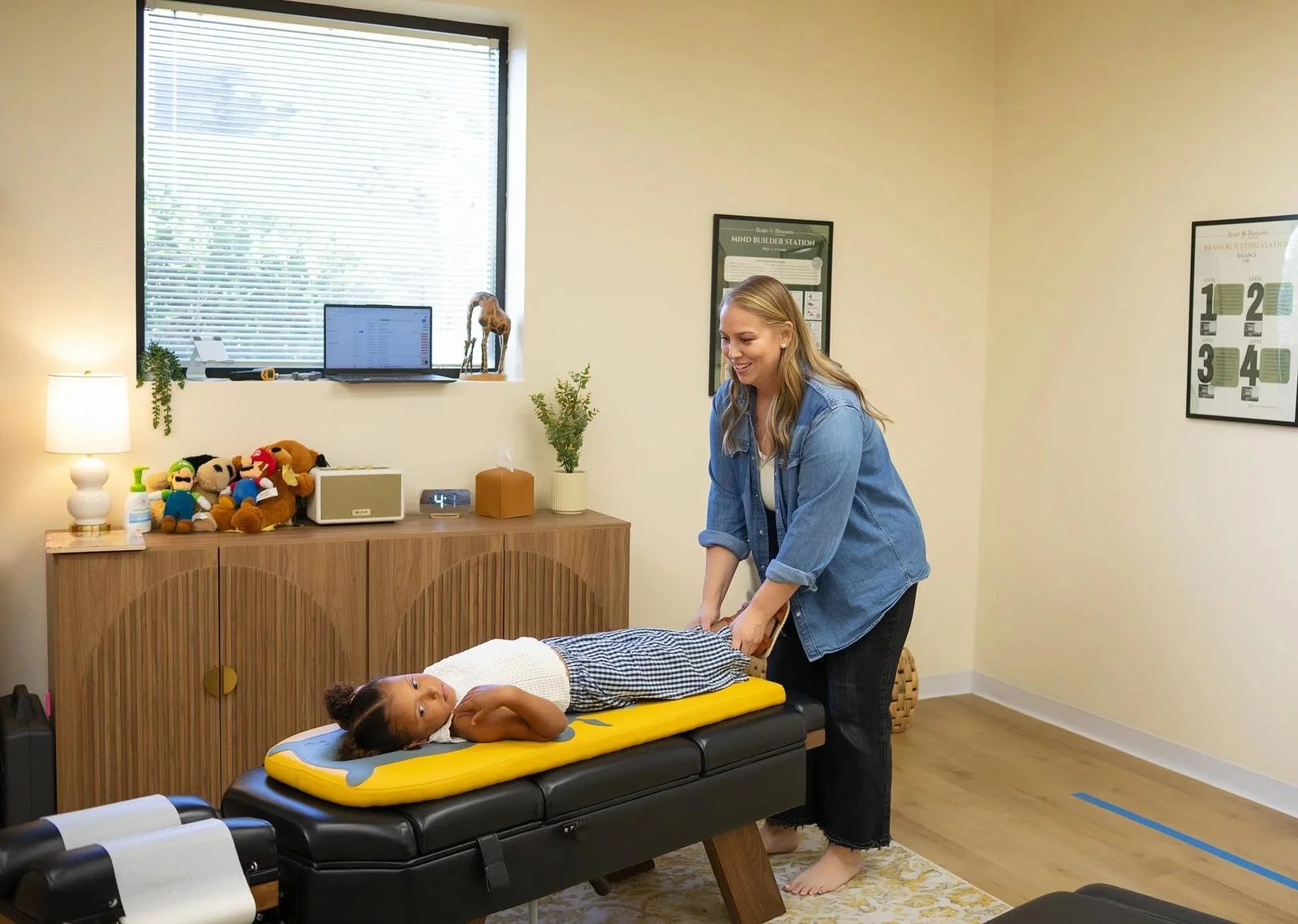
Parents consistently report calmer behavior at home and school, improved ability to focus on tasks and follow instructions, fewer emotional meltdowns and outbursts, better sleep quality, easier mornings and transitions, and improved social interactions.
These changes reflect a nervous system that's shifting from survival mode into a regulated state where learning and connection become possible. We also treat childhood anxiety and sensory processing disorders.
Frequently Asked Questions
-
Yes. ADHD is rooted in nervous system dysregulation. FOCUS-certified chiropractic care addresses the subluxation patterns that keep the brain in a reactive state, supporting the neurological foundation that focus and attention depend on.
-
By reducing nervous system interference, adjustments help the brain shift from sympathetic dominance (fight-or-flight) into a balanced state where the prefrontal cortex — responsible for attention, planning, and impulse control — can function effectively.
-
No. Chiropractic care is complementary. Some families find their child needs less medication over time; others use it alongside other therapies. Dr. Jennifer works with your existing care team to support your child's full picture.
-
Every child is different. Some parents notice behavioral changes within the first few weeks; others see gradual improvement over several months. INSiGHT scan progress tracking shows objective neurological changes even before behavioral shifts are obvious.