
Sciatica Chiropractor in Temecula
Care focused on comfort and movement for people experiencing radiating leg pain.
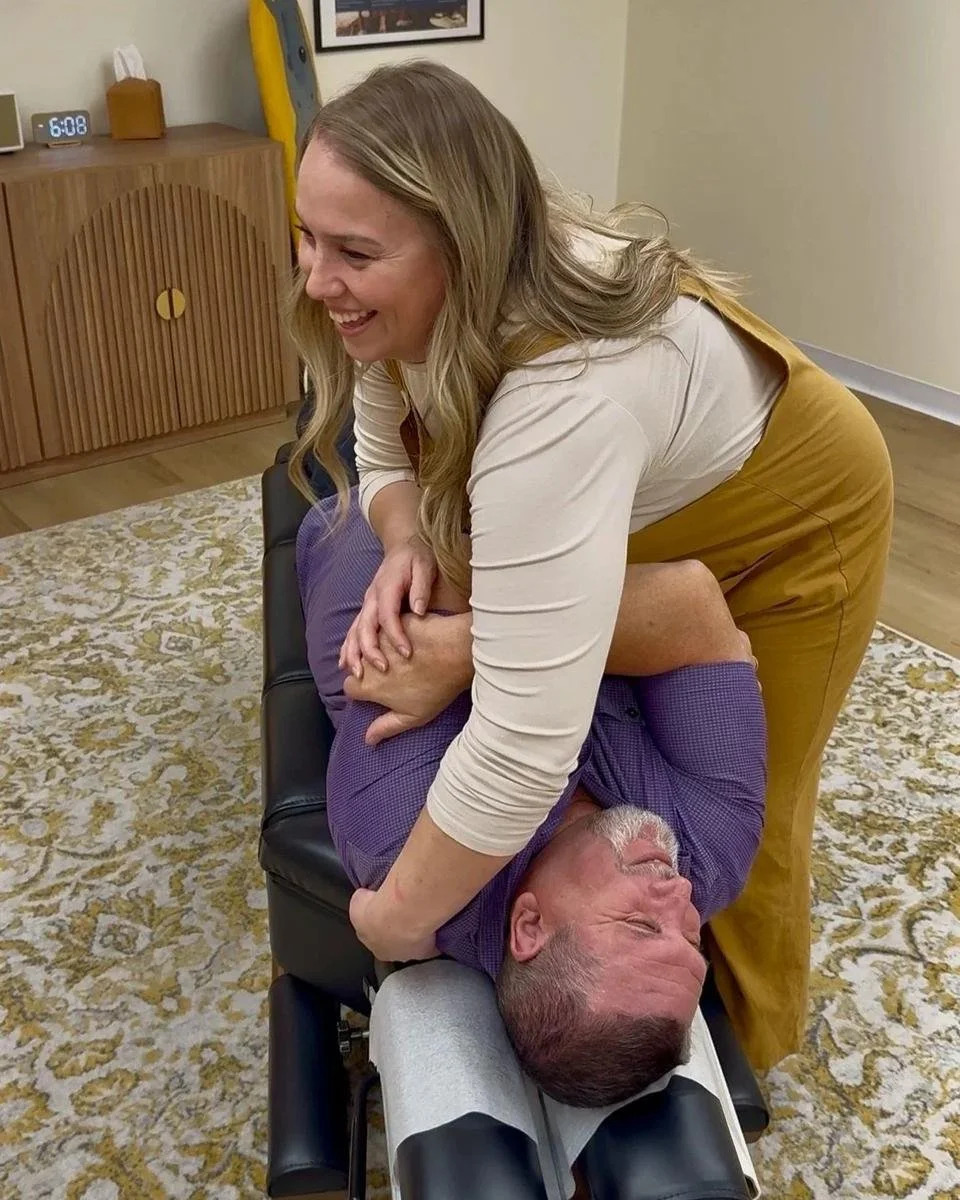
Understanding Sciatic Discomfort
Sciatica refers to pain that radiates along the path of the sciatic nerve, which branches from your lower back through your hips and buttocks and down each leg. It is often experienced differently than typical back pain.
People often describe the sensation as a sharp, shooting discomfort, burning, or even a tingling feeling that travels down the leg. It usually affects only one side of the body.
Sciatica is a description of the symptoms, and the approach to care involves understanding what is creating physical tension or pressure in the lower back and pelvic area.
Pregnant? Learn about our care for sciatica during pregnancy.
Common Contributors to Sciatic Tension
Several structural factors can contribute to the tension and discomfort associated with sciatica, including:
- Lumbar strain — Tension or restricted mobility in the lower spine that can affect the surrounding muscles and nerves.
- Piriformis tightness — Tension in the piriformis muscle (located deep in the buttock), which can irritate the nearby sciatic nerve.
- Pelvic imbalance — Uneven weight distribution or mobility issues in the pelvis and sacroiliac (SI) joints.
Addressing these structural components is a key part of supporting your body's recovery.
How Chiropractic Care Can Help
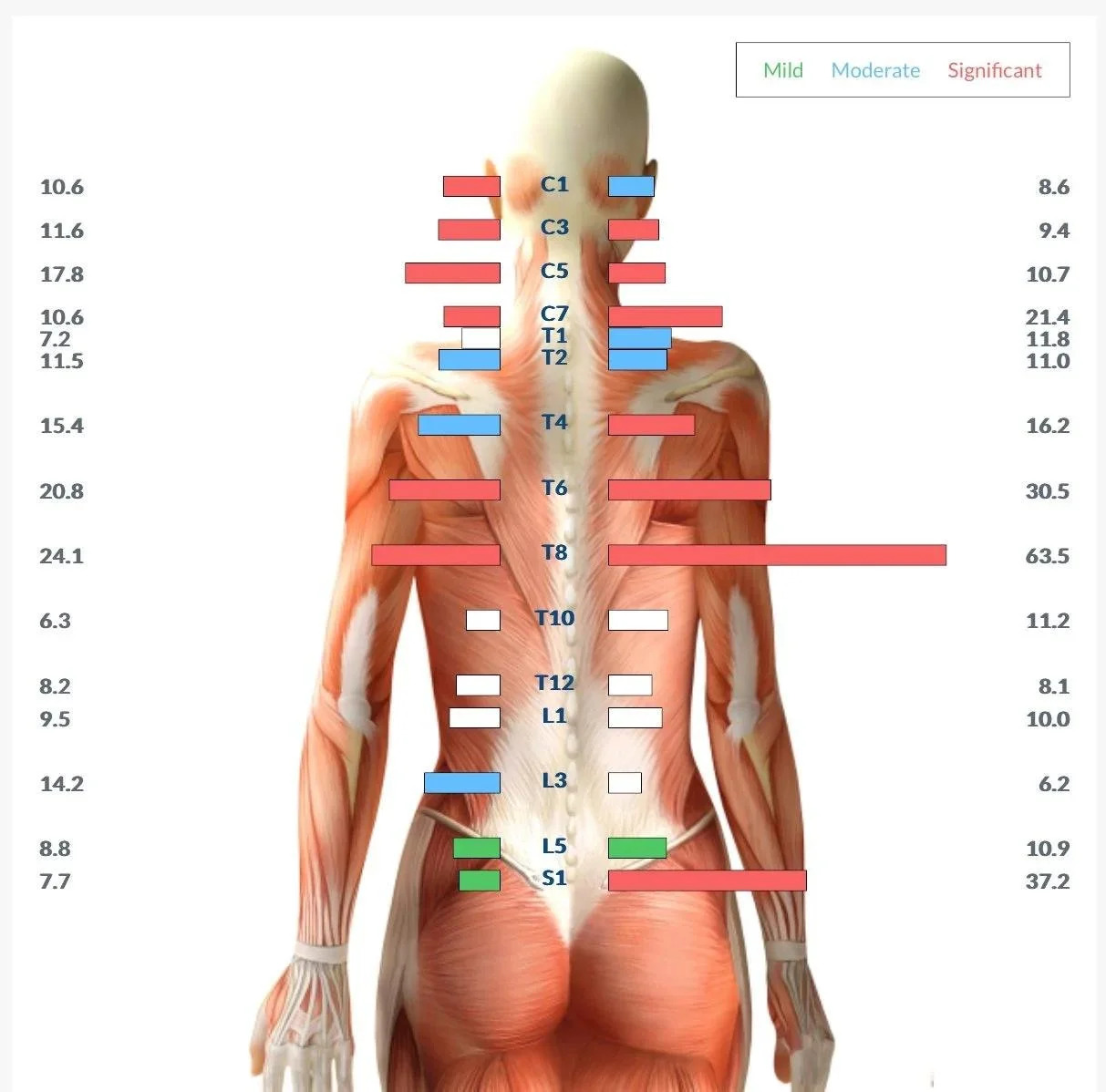
Dr. Jennifer assesses your lower back, pelvis, and overall posture to identify areas of restricted mobility and muscular tension that may be contributing to your discomfort.
We use gentle, targeted adjustments to support better spinal alignment and encourage proper movement in the lumbar and pelvic regions. By helping the spine and pelvis move more freely, we aim to ease the muscular guarding and physical tension that often accompany sciatic discomfort.
What to Expect
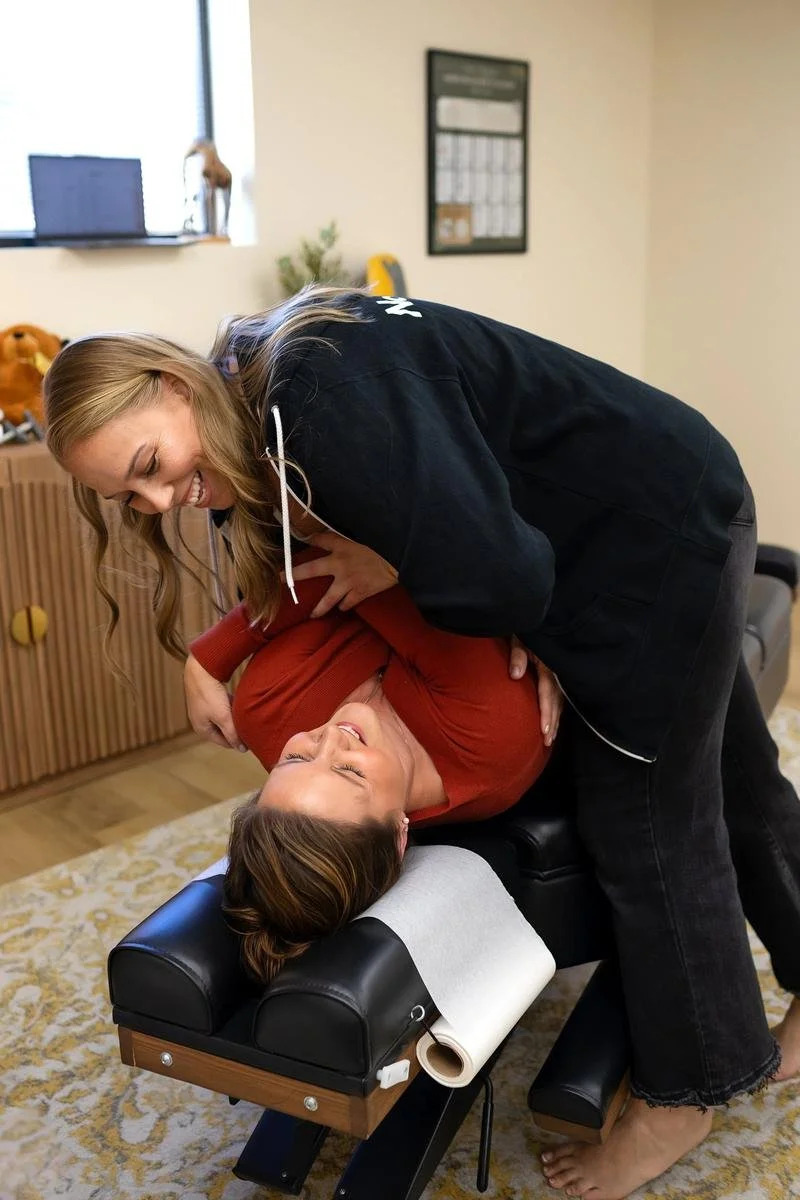
Your care begins with a focused assessment of your lower back and pelvic mobility. Dr. Jennifer will explain her findings and create a personalized plan aimed at supporting your physical comfort and function. Many patients find that regular chiropractic care helps them manage tension and supports their body as they navigate their daily activities.
When to See a Doctor First
Some back and leg pain needs urgent medical care. Go to the emergency room if you lose control of your bladder or bowels, have numbness in your groin or inner thighs, or notice leg weakness that's getting worse. See a doctor promptly for back pain with fever, unexplained weight loss, or pain after a significant fall or injury. Dr. Jennifer screens for these signs at your first visit and will refer you if needed.
Patient Stories
"Several years ago I was in a car accident that left me in horrible daily pain. Seeing Dr. Gordon weekly has given me my life back. Before I would have to lay down on the couch with severe neck and back pain after work. Now I feel good enough to play pickleball and go to the gym."
"She is amazing at finding the areas that are needing adjustments... She also provides gentle support through cranial sacral therapy which helps so much post adjustment. I highly recommend her and will continue to see her myself for my chronic neck pain."
* Individual experiences vary. Testimonials do not guarantee specific results.
Frequently Asked Questions
Take the Next Step
Whether you're looking for answers, seeking relief, or wanting to support your family's nervous system — we're here to help you thrive.